
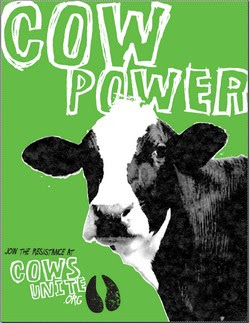
"Cows rise up!" Spokecow proclaims.


At noon on Monday, the Environmental Working Group launched a new farm subsidies database profiling the 358,070 people who've gotten over $34.75 billion in federal subsidies.
Twenty-four hours later, the database was already getting 7,000 hits per hour on the new database. Two days later, the website still took five minutes to load. Why all the interest? Well, why did Microsoft's Paul Allen get $30,687 in farm subsidies between 2003-2005?
Right here would be a great place for a pun about something smelling like manure, but I don't want to offend any cows, especially since they're organizing.


Comments

Popular posts from this blog

Busy signal...

Today I joined not one, but two social networking sites-- Pownce and Ravelry . I'm geeking out, even though I'm on dial-up, and am probably going to end up spending the entire weekend adding my knitting projects to Ravelry. Oh, I didn't mention is was a knitting network? Yeah, I meant it when I said I was geeking out. But not before I finish Harry Potter...

Less Blogging, More Tweeting

FYI, I haven't been happy with how a lot of my posts are turning out, as well as the frequency with which I'm posting. Since most of the time, I just want to share a link that has an interesting take on telling its story, I'm going to dust off my Twitter account to share those and only post here if I'm really inspired. To the twelve people who read this blog, thanks.

Something's been bothering me

...since my post last week about the anti-Rove protest on campus. A bit of an identity crisis. Here I am, someone who has had major life-altering experiences (drug-free, thank you) at a May Day protest years ago, putting down activists I agree with. Have I become cold and heartless? Well, no. I realized early on that protests and radical actions were not my thing. But they work for some people, and I was assigned an article for a class that reminded me that even if they don't directly affect change, radical actions do have reasons: Activist organizations use disruptive image events, which are highly charged protests that involve visuals such as people being buried up to their necks in roads and grandparents chaining themselves to trees (DeLuca, 1999). Such events rarely put an immediate stop to the things activist organizations protest; however, according to a Greenpeace campaigner, success is judged by the protestors’ abilities to reduce complex issues to symbols that disrupt pe...